

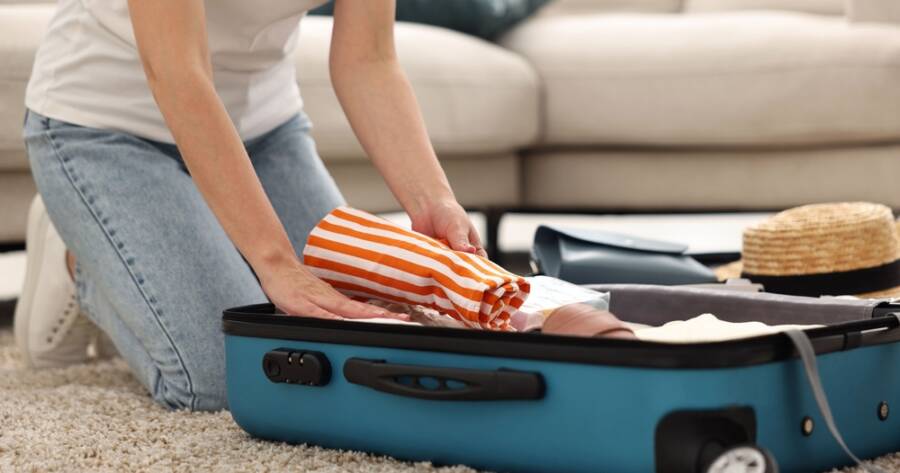
Packing efficiently can make travel smoother, more comfortable, and significantly less stressful from departure to return. Overpacked luggage often leads to extra airline fees, limited mobility, and unnecessary frustration during transit and transfers. A thoughtful approach to packing allows travelers to move more freely while still bringing essential items. Careful planning, organization, and strategic clothing choices can significantly reduce baggage weight without sacrificing preparedness, flexibility, or overall convenience.
Choosing Versatile Clothing
Selecting versatile clothing forms the foundation of lighter packing. Neutral colors and simple styles allow multiple outfit combinations from a limited number of pieces. Lightweight fabrics that resist wrinkles and dry quickly can adapt to different weather conditions and activities. Layering options provide flexibility without adding bulk.
Considering destination climate and planned activities helps narrow clothing choices. Packing items that serve more than one purpose, such as a lightweight jacket suitable for both daytime and evening wear, maximizes efficiency. Limiting footwear to comfortable, multi-use pairs can also reduce luggage weight. Thoughtful clothing selection prevents unnecessary excess.
Using Packing Techniques That Save Space
Strategic packing methods can create significant space savings. Rolling clothing instead of folding often reduces wrinkles and allows tighter placement within a suitcase. Packing cubes help organize items and compress garments for easier access. Compression bags may further reduce bulk for longer trips.
Arranging heavier items at the base of a suitcase supports balance and stability. Filling empty spaces inside shoes with small accessories maximizes every inch of available room. Organized packing simplifies unpacking and repacking throughout the journey. Efficient techniques make lighter travel more manageable.
Limiting Toiletries and Accessories
Toiletries frequently add unexpected weight and bulk to luggage, especially when full-sized containers are packed without consideration. Many accommodations provide basic items such as shampoo, conditioner, soap, and lotion, reducing the need to carry large bottles. Reviewing what will already be available at the destination can prevent unnecessary duplication. Travel-sized containers and refillable bottles allow essential products to be packed in smaller quantities while still meeting personal needs.
Accessories should also be selected with intention. Limiting jewelry, electronics, and extra styling tools helps reduce clutter and lowers the risk of loss or damage. Multi-use items, such as scarves that double as wraps or lightweight blankets, provide versatility without adding significant weight. Choosing a compact toiletry kit with only daily necessities simplifies organization.
Planning for Laundry Options
Access to laundry facilities can significantly influence packing decisions, particularly for trips lasting more than a few days. Many hotels, hostels, and rental properties offer on-site laundry rooms or services for guests. Local laundromats and mobile laundry services are widely available in urban destinations. Factoring laundry availability into trip planning allows travelers to reduce the number of outfits packed.
Selecting durable fabrics that maintain shape and color after washing improves reusability throughout a trip. Quick-drying garments make handwashing practical when necessary, especially in destinations with warm climates. Packing a small packet of detergent or a few laundry sheets can simplify mid-trip cleaning.
Reviewing and Refining Before Departure
Taking time to reassess packed items often reveals unnecessary additions. Laying out clothing, shoes, and accessories before placing them in luggage allows for a thoughtful final evaluation. Asking whether each item will realistically be used during the trip can help eliminate excess. Removing duplicates or “just in case” items frequently results in a lighter and more manageable bag.
Weighing luggage before departure ensures compliance with airline restrictions and prevents last-minute repacking at the airport. Conducting a short test carry around the home can also reveal whether a bag feels comfortable and practical. Practicing restraint during the final packing stage encourages smarter choices and greater efficiency.
Traveling with Greater Ease and Flexibility
Packing smarter and lighter enhances overall travel comfort in noticeable ways. Reduced baggage simplifies movement through airports, train stations, public transportation systems, and busy city streets. Navigating stairs, cobblestone roads, or crowded terminals becomes far less stressful when luggage is manageable. Carry-on-only travel can also shorten wait times at baggage claim and reduce the risk of delayed or lost luggage. A well-organized suitcase promotes efficiency, easier access to essentials, and greater peace of mind throughout the journey.
Intentional packing reflects thoughtful preparation and realistic planning. Prioritizing versatility, organization, and necessity allows travelers to focus more fully on experiences rather than managing excess belongings. Lighter luggage often creates greater spontaneity, making it easier to adjust accommodations or transportation plans if needed.