

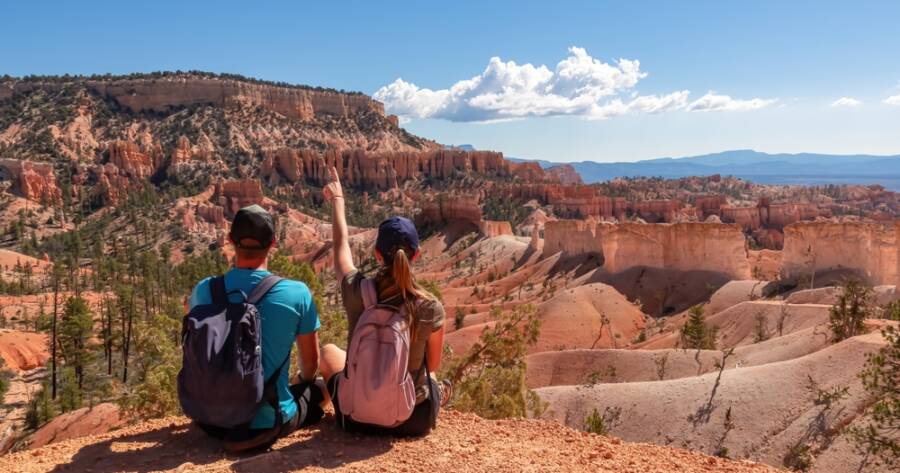
National parks protect some of the most breathtaking landscapes and diverse ecosystems in the world. Towering mountains, vast deserts, dense forests, and dramatic coastlines draw millions of visitors each year from across the globe. Beyond scenic beauty, protected lands offer meaningful opportunities for recreation, education, and personal reflection. Time spent in national parks can support physical health, mental clarity, environmental awareness, and a deeper appreciation for shared natural heritage.
Encouraging Physical Activity in Natural Settings
National parks provide ideal environments for movement and outdoor recreation. Hiking trails, scenic overlooks, lakes, and open spaces invite visitors to walk, climb, paddle, or cycle at their own pace. Physical activity in natural settings often feels less structured than gym-based exercise, making it easier to maintain consistent movement. Varied terrain also engages different muscle groups and supports balance and coordination.
Regular activity within park landscapes contributes to improved cardiovascular health, muscular endurance, and flexibility. Even moderate activities such as walking along paved paths or participating in ranger-led programs can enhance overall fitness. Access to expansive outdoor spaces encourages visitors of all ages to remain active while enjoying scenic surroundings.
Supporting Mental Clarity and Stress Reduction
Time in nature has been associated with reduced stress and improved emotional balance. National parks offer quiet spaces away from urban noise and digital distractions. Natural environments may lower cortisol levels, promote relaxation, and support a calmer nervous system. The presence of open vistas and flowing water can foster a sense of tranquility.
Spending time outdoors may also enhance attention and cognitive function. Natural settings provide restorative experiences that allow the mind to recover from daily demands. Many visitors report feeling refreshed and mentally recharged after park visits. Consistent exposure to protected landscapes can contribute to long-term psychological well-being.
Fostering Environmental Awareness
National parks serve as living classrooms that highlight the importance of conservation and long-term environmental stewardship. Interpretive programs, visitor centers, and guided tours provide insight into geology, wildlife habitats, climate systems, and ecological processes that shape each landscape. Educational signage along trails often explains native plant species, animal migration routes, and the impact of human activity on fragile ecosystems.
Learning about endangered species, changing climate patterns, and habitat restoration initiatives encourages responsible decision-making. Rangers and conservation staff frequently share information about preservation challenges and ongoing research projects. Exposure to intact ecosystems may inspire sustainable habits beyond park boundaries, including reduced waste, mindful resource use, and support for environmental policies.
Strengthening Community and Cultural Appreciation
Many national parks preserve sites of historical, archaeological, and cultural significance that reflect generations of human history. Indigenous heritage sites, sacred lands, historic battlefields, and preserved settlements provide insight into traditions that shaped regional and national identity. Educational programs often highlight the perspectives and contributions of Indigenous communities and early inhabitants.
Shared outdoor experiences also strengthen social bonds and community connection. Families, friends, school groups, and community organizations gather in national parks for recreation, celebration, and learning. Campgrounds, picnic areas, and scenic overlooks create opportunities for conversation and collaboration. Participating in ranger-led programs or volunteer conservation projects can further strengthen group engagement.
Boosting Local Economies and Sustainable Tourism
National parks contribute significantly to surrounding communities through tourism and related economic activity. Visitors often rely on nearby towns for lodging, dining, transportation, and guided services. Local businesses such as outdoor outfitters, tour operators, and restaurants benefit from consistent visitor traffic. Seasonal employment within parks and hospitality industries provides income opportunities for residents and supports regional stability.
Sustainable tourism efforts within parks promote balanced growth and long-term environmental protection. Regulations governing visitor capacity, wildlife interaction, waste management, and land use aim to preserve fragile ecosystems. Entrance fees and park passes often fund maintenance, conservation projects, and educational initiatives. Supporting responsible tourism practices helps ensure that economic benefits do not compromise environmental integrity.
Preserving Natural Heritage for Future Generations
National parks represent a commitment to protecting natural landscapes for future generations. Conserved lands safeguard biodiversity, protect watersheds, and maintain scenic vistas that might otherwise face development. Continued public engagement supports funding, advocacy, and policy decisions that uphold preservation goals. Visitors play an active role in sustaining protected environments through respectful behavior and awareness.
Exploring national parks offers benefits that extend beyond recreation. Physical health, emotional balance, environmental knowledge, and community connection all gain reinforcement through time spent in protected landscapes. Careful planning, adherence to park guidelines, and support for conservation initiatives help ensure lasting impact. National parks remain enduring symbols of natural heritage and collective responsibility.