

Cultural festivals bring communities together through music, food, art, and centuries-old traditions. Across continents, annual celebrations highlight heritage, spiritual beliefs, seasonal changes, and historical milestones. Travelers often seek meaningful experiences that go beyond sightseeing, and festivals offer immersive opportunities to connect with local culture. Vibrant parades, ceremonial rituals, and shared meals create memorable moments while preserving customs that continue to shape regional identity and global appreciation.
Carnival in Rio de Janeiro, Brazil
Carnival in Rio de Janeiro ranks among the most famous festivals in the world. Held annually before Lent, the celebration features elaborate parades, samba competitions, and dazzling costumes adorned with feathers and sequins. Samba schools spend months preparing performances that combine music, dance, and storytelling rooted in Brazilian history and Afro-Brazilian culture. The atmosphere blends artistic expression with deep cultural significance.
Beyond the main parade at the Sambadrome, street parties known as blocos fill neighborhoods throughout the city. Residents and visitors gather to dance, sing, and celebrate together. Carnival reflects Brazil’s diverse cultural heritage and remains a symbol of national pride. The event draws millions of attendees each year, contributing to both cultural preservation and economic vitality.
Diwali in India
Diwali, often called the Festival of Lights, holds deep spiritual meaning for millions of people across India and other parts of the world. The multi-day celebration symbolizes the triumph of light over darkness and good over evil. Families decorate homes with oil lamps, candles, and intricate rangoli designs. Fireworks illuminate the night sky, adding to the festive atmosphere.
Religious ceremonies, gift exchanges, and shared meals form central components of the holiday. Communities gather to pray, reflect, and celebrate together. Sweets and traditional dishes play an important role in the festivities. Diwali highlights the importance of renewal, gratitude, and connection, making it one of the most widely observed cultural celebrations globally.
Oktoberfest in Munich, Germany
Oktoberfest began in 1810 as a wedding celebration for Bavarian royalty and has since grown into one of the world’s largest folk festivals. Held annually in Munich, the event spans more than two weeks and attracts millions of visitors. Traditional Bavarian music, folk dancing, and regional cuisine shape the experience. Large festival tents serve locally brewed beer alongside classic dishes such as pretzels and sausages.
Cultural traditions remain central to Oktoberfest’s identity. Many attendees wear traditional clothing, including lederhosen and dirndls, honoring regional heritage. Parades and ceremonial openings reflect longstanding customs passed down through generations. Oktoberfest showcases German culture while fostering community spirit and international participation.
Lunar New Year Celebrations in East Asia
Lunar New Year marks the beginning of the lunar calendar and is widely celebrated in countries such as China, Vietnam, and South Korea. Festivities typically include family reunions, symbolic foods, and traditional performances. Decorations in red and gold represent prosperity and good fortune for the coming year. Dragon and lion dances often accompany parades through city streets.
The holiday emphasizes family unity and ancestral respect. Special meals feature dishes chosen for their symbolic meanings, such as longevity or wealth. Firecrackers and lantern displays add vibrant visual elements to the celebration. Lunar New Year observances highlight cultural continuity and shared traditions across generations.
Day of the Dead in Mexico
Day of the Dead, or Día de los Muertos, honors deceased loved ones through colorful and meaningful traditions. Celebrated primarily between October 31 and November 2, the holiday blends Indigenous customs with Catholic influences. Families create altars known as ofrendas, adorned with photographs, candles, marigolds, and favorite foods of those being remembered.
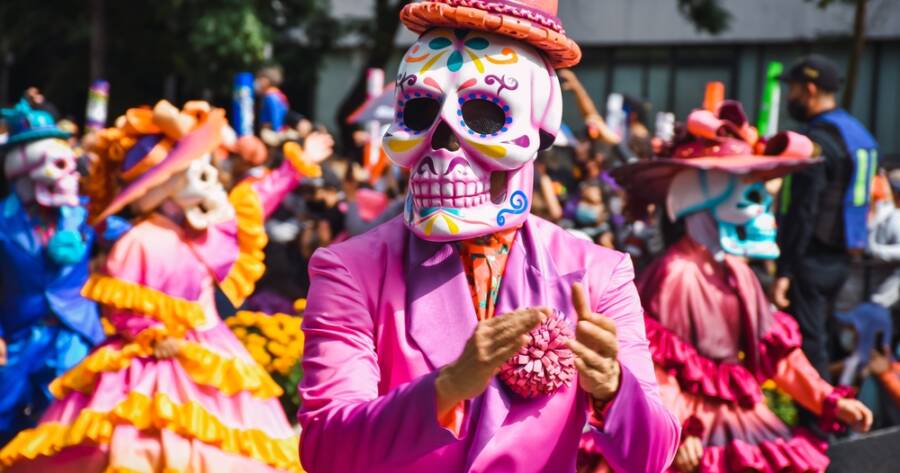
Public parades, face painting, and decorative skull imagery add to the visual richness of the celebration. Rather than focusing on mourning, the holiday embraces remembrance with joy and gratitude. Music, storytelling, and communal gatherings reinforce family bonds and cultural heritage. Day of the Dead reflects Mexico’s unique approach to honoring life and legacy.
Celebrating Culture Through Shared Traditions
Cultural festivals offer more than entertainment; they preserve heritage and strengthen community bonds. Annual celebrations serve as living expressions of history, belief systems, and artistic traditions. Participating respectfully allows travelers to gain insight into diverse ways of life while supporting local economies. Thoughtful engagement fosters mutual understanding and cultural appreciation.
Planning ahead can enhance the experience of attending major festivals. Understanding local customs, dress codes, and etiquette encourages respectful participation. Large gatherings often require early accommodations and travel arrangements. Experiencing cultural festivals around the world can create lasting memories while reinforcing the importance of tradition, community, and shared human connection.