

Advancements in technology have transformed nearly every stage of modern travel, reshaping expectations for speed and convenience. From researching destinations to navigating unfamiliar streets, digital tools now influence planning, booking, and on-the-ground experiences. Smartphones, mobile apps, and online platforms provide instant access to information that once required guidebooks or travel agents. Greater global connectivity has increased efficiency, improved safety measures, and expanded flexibility across the travel industry.
Online Booking and Trip Planning
Travel planning once relied heavily on in-person agencies and printed brochures. Today, online booking platforms allow travelers to compare flights, accommodations, and rental services within minutes. Price comparison tools and customer reviews provide transparency, helping individuals make informed decisions based on budget and preferences. Flexible search filters also allow adjustments for dates, amenities, and cancellation policies.
Digital calendars and itinerary management apps streamline organization. Confirmation emails, electronic tickets, and cloud-based storage reduce reliance on paper documents. Travelers can modify reservations quickly in response to changing schedules. Access to real-time pricing and availability has made trip planning more efficient while expanding choices across global destinations.
Mobile Navigation and Real-Time Information
Smartphones have significantly reduced uncertainty when visiting new places, making independent travel more accessible than ever. GPS navigation apps provide turn-by-turn directions for walking, driving, cycling, or public transportation, helping travelers move efficiently through unfamiliar areas. Real-time traffic updates and transit alerts allow quick adjustments to avoid delays, road closures, or service disruptions. Digital maps eliminate the need for printed guides while offering continuously updated route information, nearby points of interest, and estimated travel times.
Weather apps, translation tools, and currency converters further enhance convenience and preparedness. Language translation features can assist with menus, signage, and everyday conversations, reducing communication barriers. Access to instant updates on weather conditions helps travelers plan activities safely and dress appropriately. Reliable connectivity enables quick booking changes, ride-share coordination, and emergency contact if needed.
The Rise of Digital Boarding and Contactless Travel
Air travel has evolved significantly through ongoing digital innovation. Mobile boarding passes, online check-in systems, and self-service kiosks have reduced wait times and streamlined airport procedures. Automated bag drops and biometric screening technologies, including facial recognition in some airports, aim to improve both efficiency and security. Many airlines now provide app-based notifications regarding gate changes, boarding times, baggage updates, and flight delays, allowing travelers to respond quickly to schedule adjustments.
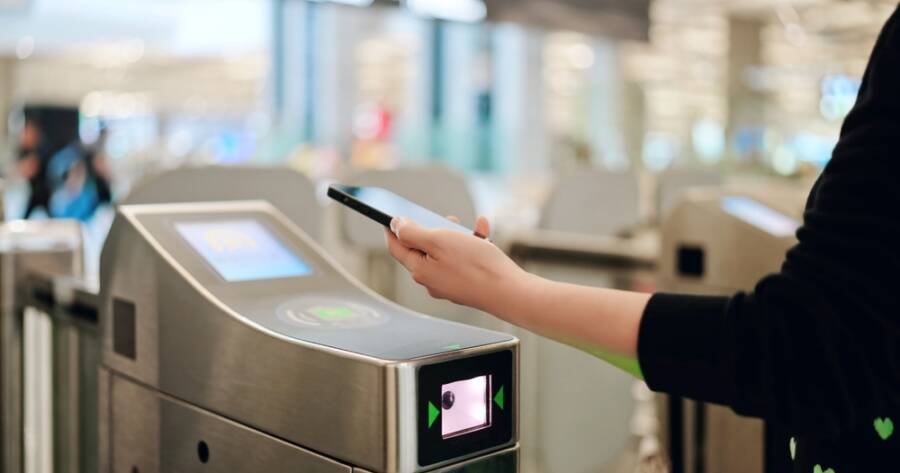
Contactless payment options and digital wallets have expanded well beyond airport terminals. Hotels, restaurants, ride-share services, and public transportation systems increasingly support touchless transactions, reducing the need for physical currency or paper tickets. Digital room keys accessed through smartphone apps have also become more common in hospitality settings.
Social Media and Travel Inspiration
Social media platforms influence destination selection and travel trends. Photographs, videos, and travel blogs provide visual insight into landscapes, attractions, and cultural events. Online communities allow travelers to share recommendations and personal experiences. Peer-generated content often shapes expectations and itinerary planning.
Digital storytelling has broadened access to lesser-known destinations. Travelers can connect with local guides, small businesses, and niche experiences through online platforms. While curated content may require careful evaluation, social media has expanded awareness of diverse travel opportunities. Technology has redefined how individuals gather inspiration and information before departure.
Remote Work and Flexible Travel
Advances in communication technology have supported the rise of remote work. High-speed internet, video conferencing platforms, and collaborative software allow professionals to work from various locations. Flexible schedules enable extended stays or location-based work arrangements in different cities or countries.
The blending of work and leisure travel has influenced hospitality services. Many accommodations now offer co-working spaces, reliable internet, and business-friendly amenities. Extended travel experiences have become more accessible due to digital connectivity. Technology continues to reshape traditional boundaries between professional responsibilities and personal exploration.
Embracing Innovation While Traveling Responsibly
Technology has reshaped the travel landscape in powerful ways, improving efficiency, safety, and global connectivity. Digital tools provide instant access to information that once required extensive preparation. Travelers can plan, book, navigate, and adapt with greater confidence than ever before. Innovation has reduced many traditional barriers associated with international exploration.
Balancing convenience with mindful usage remains important. Overreliance on devices may limit direct cultural engagement. Protecting personal data and maintaining cybersecurity awareness also deserve attention. Thoughtful integration of technology enhances travel experiences while preserving meaningful human connection. As innovation continues to evolve, travelers can benefit from digital tools while remaining present and adaptable throughout each journey.