

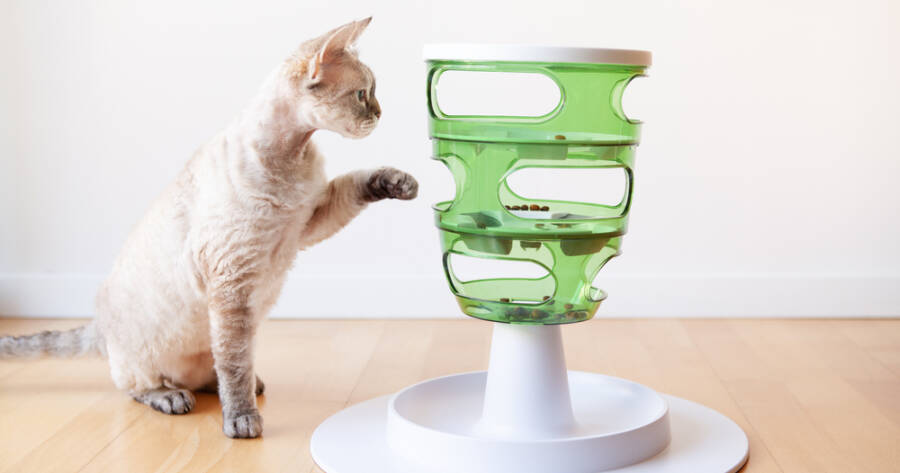
Mental stimulation plays an essential role in keeping pets healthy, engaged, and emotionally balanced throughout their lives. Dogs and cats rely on interaction, exploration, and problem-solving to satisfy natural instincts and curiosity. Without regular mental challenges, pets may become bored, anxious, or develop destructive behaviors within the home. Providing opportunities for enrichment supports cognitive health, encourages positive behavior, and strengthens the bond between pets and their owners.
Why Mental Engagement Matters for Pets
Animals thrive when their minds remain active. Dogs and cats are naturally curious and often seek stimulation through play, exploration, and social interaction. Mental engagement helps satisfy instinctive behaviors such as hunting, searching, and problem-solving. When these needs are met, pets are more likely to remain calm and content.
Lack of stimulation can lead to boredom and frustration. Some pets may begin chewing furniture, scratching surfaces, or barking excessively when they do not receive enough engagement. Structured activities help channel energy into positive outlets. Consistent mental enrichment allows pets to remain focused, relaxed, and emotionally balanced.
Enrichment Activities for Dogs
Dogs benefit from activities that challenge both their minds and bodies. Puzzle toys, treat-dispensing feeders, and scent games encourage problem-solving and exploration. Hide-and-seek games or searching for hidden treats can engage a dog’s powerful sense of smell and provide rewarding mental exercise.
Training sessions also provide valuable mental stimulation. Practicing commands, learning new tricks, or participating in obedience exercises keeps dogs mentally engaged while strengthening communication with their owners. Even short training sessions can provide meaningful enrichment when practiced regularly.
Enrichment Activities for Cats
Cats often enjoy activities that mimic natural hunting behaviors. Interactive toys such as feather wands, laser pointers, and moving toys encourage chasing, stalking, and pouncing. These actions reflect instincts that cats would normally use when hunting prey in the wild. Engaging in these types of activities helps keep cats mentally alert while also providing important physical exercise.
Environmental enrichment can make a significant difference for indoor cats that may have fewer opportunities to explore. Window perches allow cats to observe birds, passing cars, and outdoor movement, which can keep their minds active for extended periods. Climbing trees, scratching posts, and elevated resting areas give cats safe spaces to jump, stretch, and observe their surroundings.
The Role of Play and Social Interaction
Playtime provides far more than simple entertainment for pets. Interactive play sessions challenge animals to focus, react, and solve small problems while engaging their natural instincts. Activities such as tug toys, chasing games, or training exercises stimulate the brain while strengthening the relationship between pets and their owners. Regular play helps maintain emotional balance and provides a healthy outlet for energy.
Social interaction with family members or other animals also contributes to mental stimulation. Many pets thrive when they receive attention, affection, and shared activities throughout the day. Time spent playing, walking, or training together can strengthen trust and reinforce positive behavior. Structured interaction may also reduce feelings of loneliness or anxiety.
Preventing Behavioral Problems Through Enrichment
Mental stimulation can play an important role in preventing common behavioral challenges in pets. Animals that lack enrichment may become frustrated or restless, leading to destructive habits such as chewing furniture, scratching surfaces, or excessive barking. Providing appropriate outlets for curiosity and energy helps redirect these impulses into healthy activities that satisfy natural instincts.
Routine enrichment also encourages healthy sleep patterns and relaxation. Pets that spend time solving puzzles, exploring toys, or learning new commands often feel more fulfilled and calm afterward. Mental challenges can tire animals in a productive way, helping them settle more easily during rest periods. By offering consistent enrichment opportunities, pet owners can address boredom early and support balanced, well-adjusted behavior over time.
Keeping Pets Engaged and Mentally Healthy
Mental stimulation remains a fundamental part of responsible pet care. Dogs and cats benefit greatly from activities that challenge their minds and encourage natural behaviors such as exploring, problem-solving, and playing. Providing enrichment through interactive toys, training exercises, and environmental exploration helps support cognitive health while reducing boredom. Regular opportunities for engagement allow pets to use their instincts in healthy and productive ways.
Consistent interaction also strengthens the relationship between pets and their owners while improving overall well-being. Even simple activities, such as short play sessions, training practice, or supervised exploration, can create meaningful enrichment in a home environment. Pets that receive regular mental engagement often display more balanced behavior and greater confidence.