

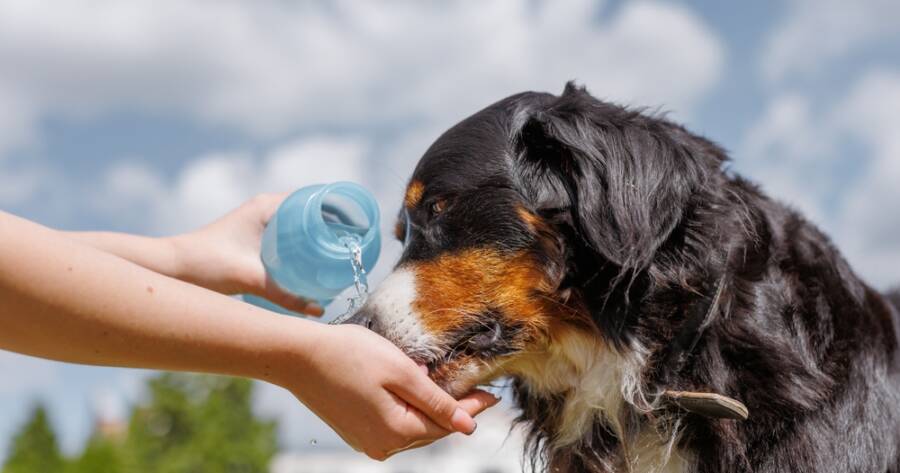
Pets rely on their owners for protection during harsh environmental conditions. Extreme heat, freezing temperatures, heavy storms, and severe seasonal changes can pose serious risks to animal health and safety. Weather-related dangers often develop quickly, making preparation and awareness essential for responsible pet care. By recognizing potential hazards and adjusting routines when conditions change, pet owners can help protect their animals from injury, illness, and unnecessary stress during extreme weather events.
Protecting Pets During Extreme Heat
High temperatures can quickly become dangerous for pets, particularly during summer months or heat waves. Dogs and cats regulate body temperature differently than humans, making them more vulnerable to overheating. Prolonged exposure to heat may lead to dehydration, heat exhaustion, or heatstroke. Providing constant access to fresh water and shaded areas helps pets remain cooler throughout the day.
Outdoor activity should be limited during the hottest hours, typically midday and early afternoon. Walking pets during early morning or evening hours reduces exposure to intense heat. Hot pavement can also burn sensitive paw pads, so checking surface temperatures before walks is important. Monitoring pets closely during warm weather allows owners to recognize signs of overheating early.
Keeping Pets Safe in Cold Weather
Cold temperatures can present serious risks, especially for smaller animals, short-haired breeds, and older pets. Prolonged exposure to freezing conditions may lead to hypothermia or frostbite. Providing warm shelter and limiting outdoor time helps reduce these risks during winter months. Pets that spend time outside should always have access to insulated bedding and protection from wind or snow.
Protective clothing such as pet sweaters or jackets may help retain body heat for some animals. After outdoor walks, wiping paws and fur can remove snow, ice, or salt that may irritate skin. Monitoring pets for shivering, lethargy, or discomfort allows owners to respond quickly if cold exposure becomes dangerous.
Preparing for Severe Storms and Natural Disasters
Severe storms, hurricanes, tornadoes, and other natural disasters can create stressful and hazardous conditions for pets. Sudden loud noises, heavy rain, strong winds, and rapidly changing environments may trigger anxiety or fear in many animals. Some pets may attempt to hide, escape, or behave unpredictably during intense weather events. Creating a designated safe space inside the home, such as a quiet interior room or sheltered area, can help pets feel more secure when storms approach.
Emergency preparedness plans should always include supplies specifically for pets. Owners may need extra food, clean water, medications, leashes, identification tags, and portable carriers in case evacuation becomes necessary.
Recognizing Signs of Weather-Related Stress
Animals often display both physical and behavioral signals when environmental conditions become overwhelming. In hot weather, excessive panting, drooling, vomiting, weakness, or difficulty standing may indicate overheating or heat exhaustion. Cold exposure can cause shivering, slowed movement, lethargy, or pale skin. Paying attention to subtle changes in posture, breathing patterns, or activity levels can help identify problems before they become serious.
Behavioral changes may also occur when pets feel threatened by extreme weather conditions. Some animals hide, pace, bark, or vocalize more frequently during storms or temperature extremes. Others may become restless, cling to their owners, or refuse food. Recognizing these early warning signs allows pet owners to respond quickly by adjusting the environment or seeking veterinary guidance.
Creating a Safe Environment Year-Round
Weather safety involves more than responding to emergencies as they arise. Preparing the home environment for seasonal changes can help protect pets throughout the entire year. Maintaining proper ventilation during warmer months and ensuring comfortable indoor temperatures during colder seasons supports animal comfort and health. Providing sheltered outdoor spaces, shaded areas, or insulated bedding can also help pets adapt to changing weather conditions.
Regular veterinary checkups play an important role in helping animals remain resilient during environmental stress. Routine care helps identify health conditions that may make pets more sensitive to extreme temperatures or seasonal changes. Proper nutrition, hydration, and exercise also contribute to overall well-being.
Protecting Pets Through Every Season
Extreme weather can pose serious challenges for animals that rely on human care. Heat waves, freezing temperatures, and severe storms all carry potential risks that require attention and preparation. Pet owners who remain aware of changing conditions can take proactive steps to protect their animals from harm.
Simple precautions such as adjusting outdoor routines, providing safe shelter, and maintaining emergency supplies can significantly improve pet safety. Consistent monitoring and quick response to warning signs further strengthen protection during harsh conditions. Thoughtful preparation helps ensure pets remain comfortable, healthy, and secure throughout every season of the year.