

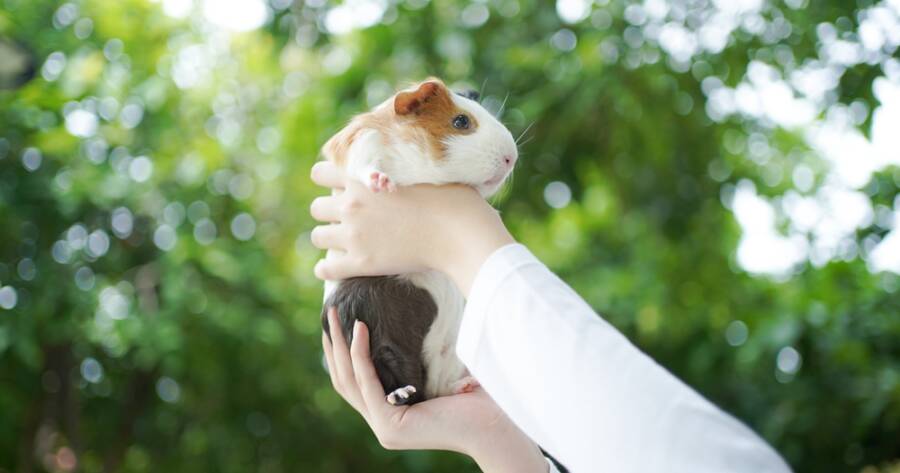
Hamsters and guinea pigs are small pets that can thrive in a home setting when their needs are properly met. While they do not require large spaces, they do need a safe, clean, and well-organized environment to stay healthy. Many pet owners start with basic cages but may overlook important details that affect comfort and safety. With a thoughtful setup, you can create a space that supports their natural behavior and keeps them protected.
Choosing the Right Cage Setup
The cage is the foundation of your pet’s environment, so it is important to choose one that offers enough space and proper ventilation. Hamsters and guinea pigs have different needs, so their enclosures should reflect that. Hamsters often do well in cages with deep bedding areas for burrowing, while guinea pigs need wider, open spaces to move around freely.
Wire cages with solid bottoms or plastic enclosures with good airflow are common options. Avoid cages with wire flooring, as these can harm your pet’s feet. The cage should also have a secure lid to prevent escapes. Placing the cage in a quiet area of the home, away from loud noise and direct sunlight, helps create a calm and stable environment.
Using Safe Bedding and Materials
Bedding plays a key role in both comfort and hygiene. Soft, absorbent bedding helps control odor and gives your pet a place to rest. Paper-based bedding is often a good choice because it is gentle and easy to clean. Avoid cedar or pine shavings, as they can release strong scents that may irritate small animals.
It is also important to include safe materials for nesting and hiding. Small pets feel more secure when they have places to retreat. Items like cardboard houses, tunnels, and soft nesting materials can help reduce stress. Make sure all materials are free from sharp edges and are safe if chewed, as both hamsters and guinea pigs tend to gnaw on objects in their space.
Providing Proper Food and Water Access
A safe home environment includes easy access to fresh food and clean water. Water bottles are commonly used because they stay cleaner than open bowls, but they should be checked daily to ensure they are working properly. Food dishes should be stable and placed where they will not tip over.
Diet also plays a role in safety. Guinea pigs need a steady supply of hay, while hamsters benefit from a mix of pellets, grains, and small portions of fresh foods. Avoid overfeeding or giving unsafe foods, as this can lead to health problems. Keeping feeding areas clean helps prevent bacteria and keeps your pet’s environment healthy.
Maintaining Cleanliness and Hygiene
Regular cleaning is essential for a safe home environment. Waste and leftover food can build up quickly in small spaces, leading to odors and potential health risks. Spot cleaning should be done daily, while a full cage cleaning can be done on a regular schedule depending on the size of the enclosure and the number of pets.
When cleaning, use pet-safe products and avoid strong chemicals. Rinse all surfaces thoroughly to remove any residue. Replacing bedding and washing food dishes helps keep the environment fresh. A clean cage not only protects your pet’s health but also makes the space more comfortable for them to live in.
Adding Enrichment and Exercise Options
A safe environment is not only about protection; it should also support your pet’s activity and mental stimulation. Hamsters often benefit from exercise wheels, tunnels, and chew toys. These items allow them to stay active and follow natural behaviors like running and exploring.
Guinea pigs need open space to move and may enjoy time outside their cage in a secure play area. Providing safe toys and simple obstacles can keep them engaged. Enrichment helps prevent boredom and supports overall well-being. Just be sure that all items are the right size and do not pose a risk of injury.
Monitoring Temperature and Surroundings
Small pets are sensitive to temperature changes, so it is important to keep their environment stable. Avoid placing cages near heaters, air vents, or windows where temperatures can shift quickly. A consistent indoor temperature helps prevent stress and health issues.
Noise and activity levels in the home also matter. Loud sounds or frequent disruptions can make small pets feel unsafe. Keeping their space in a calm area with limited disturbances helps them feel more secure. Observing your pet’s behavior can give you clues about whether the environment feels safe to them.
Creating a Safe and Comfortable Home
Building a safe home environment for hamsters and guinea pigs requires attention to detail and consistent care. From choosing the right cage to maintaining cleanliness and providing enrichment, each step plays a role in your pet’s well-being. Small changes can have a big impact on their comfort and safety.
By creating a space that supports their needs, you help your pets live healthier and more active lives. A well-planned environment not only protects them but also allows their natural behaviors to shine. With the right setup, your home can become a safe and enjoyable place for your small pets.