

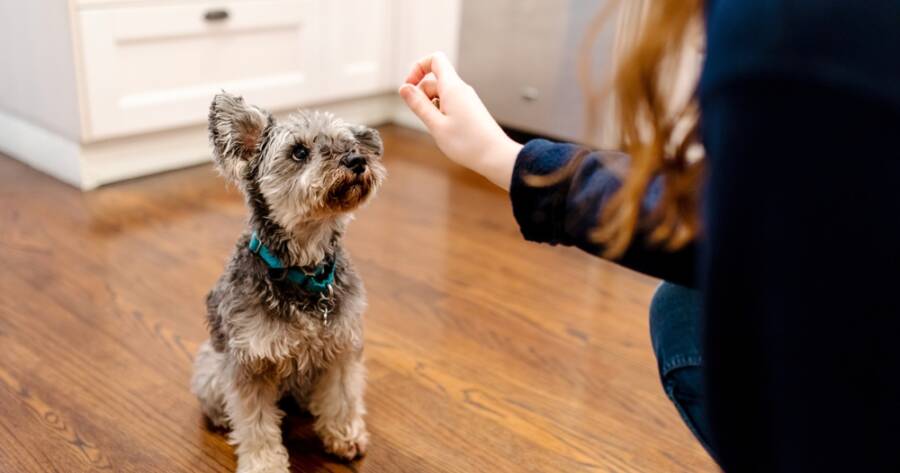
Welcoming a puppy into a home brings excitement, companionship, and new responsibilities. Young dogs require guidance to learn appropriate behavior, household routines, and basic commands. Early training helps puppies develop confidence while building strong communication with their owners. Patience, consistency, and positive reinforcement play an important role in shaping good habits. With structured routines and supportive learning experiences, puppies can grow into well-behaved companions that adapt comfortably to family life.
Establishing a Consistent Routine
Puppies thrive when daily routines remain predictable and structured. Regular feeding times, bathroom breaks, exercise sessions, and rest periods help young dogs understand what to expect throughout the day. Predictability reduces confusion and helps puppies learn appropriate behavior within the household environment.
A consistent schedule also supports house training and helps prevent accidents indoors. Taking puppies outside at the same times each day reinforces positive bathroom habits. Clear routines provide a sense of security for young dogs and help them adjust more quickly to their new surroundings. Over time, structured daily schedules help puppies develop reliable habits that continue into adulthood.
Using Positive Reinforcement
Positive reinforcement encourages puppies to repeat behaviors that lead to rewards. Treats, praise, and affection can motivate puppies to follow commands and respond appropriately during training sessions. Rewarding desirable behavior helps young dogs associate training with positive experiences.
Timing plays an important role in reinforcement. Offering praise or treats immediately after a correct action helps puppies understand which behavior earned the reward. Consistency also strengthens learning. When owners respond the same way each time a puppy performs correctly, the training message becomes clearer and easier to understand.
Teaching Basic Commands
Basic commands form the foundation of early puppy training and help establish clear communication between dogs and their owners. Commands such as “sit,” “stay,” “come,” and “leave it” introduce structure and provide puppies with guidance about expected behavior. Learning these commands also helps keep puppies safe in everyday situations, such as stopping before crossing a street or coming when called. Repeated practice strengthens the bond between pets and their families while building trust and cooperation.
Training sessions should remain short and focused to match a puppy’s developing attention span. Practicing commands in calm environments helps young dogs concentrate without too many distractions. Clear verbal cues paired with gentle hand signals can improve understanding and consistency. As puppies begin responding reliably, gradually introducing mild distractions or practicing in new environments helps strengthen their ability to follow commands in different situations.
Encouraging Socialization
Socialization plays an essential role in helping puppies grow into confident and well-adjusted adult dogs. Introducing puppies to new people, animals, sounds, and environments allows them to become comfortable with unfamiliar situations. Early exposure helps prevent fear-based reactions and encourages calm behavior in different settings. Puppies that experience a variety of positive interactions often develop greater confidence when encountering new surroundings later in life.
Supervised interactions with other vaccinated dogs can help puppies learn appropriate play behavior and communication signals. Visits to parks, walks through different neighborhoods, or short car rides can introduce puppies to new sights and sounds. Meeting friendly visitors at home also helps puppies practice calm greetings. Positive experiences during early development encourage curiosity rather than fear.
Managing Common Training Challenges
Training a puppy often includes moments of frustration for both the dog and the owner. Puppies may chew household items, jump on guests, or have occasional accidents during the learning process. Understanding that mistakes are part of early development can help owners remain patient.
Redirecting unwanted behaviors toward appropriate activities helps reinforce positive habits. Offering chew toys, practicing commands, and maintaining consistent routines can reduce common training challenges. Calm correction combined with encouragement allows puppies to learn at their own pace while building confidence.
Building a Lifelong Training Foundation
Early training lays the groundwork for a lifetime of good behavior. Puppies that receive clear guidance, positive reinforcement, and consistent routines often grow into confident and well-mannered dogs. The learning process strengthens communication between pets and their owners while encouraging trust and cooperation.
Training does not end once basic commands are learned. Continued practice, new skills, and regular interaction help maintain strong behavioral habits. Owners who remain patient and consistent often build rewarding relationships with their dogs. With time and dedication, puppy training becomes an investment that benefits both the dog and the entire household.