

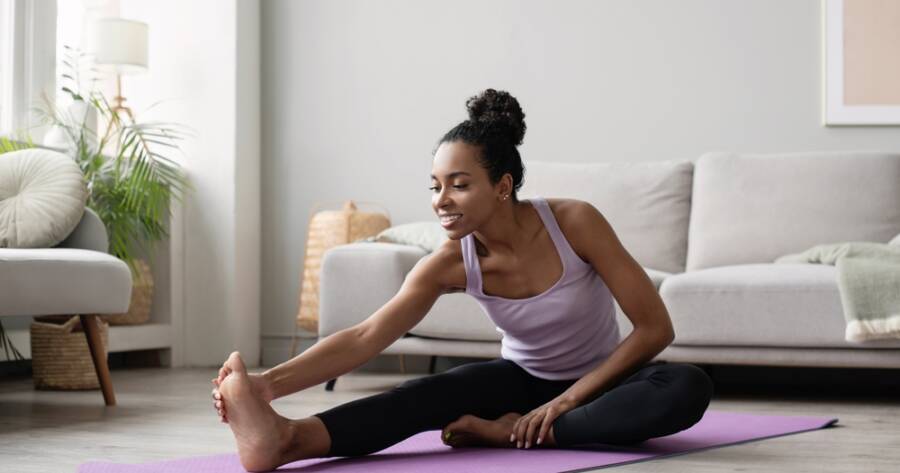
Staying active does not require a gym membership or expensive gear. A short workout at home can help improve strength, boost energy, and support overall health. With the right plan, you can fit an effective routine into just 20 minutes a day. The right approach works well for busy schedules and small spaces. By focusing on simple movements and consistent effort, anyone can build a routine that delivers real results without needing any equipment.
Why Short Workouts Can Be Effective
A 20-minute workout may seem brief, but it can still provide strong benefits when done with focus and effort. Short workouts encourage you to stay consistent because they are easier to fit into your day. Instead of skipping exercise, you are more likely to complete a quick session, which builds a healthy habit over time.
These workouts also work well when they include a mix of movements that target different muscle groups. By combining strength and cardio exercises, you can raise your heart rate and work your muscles at the same time. This balanced approach helps improve fitness without needing long sessions.
Structuring Your 20-Minute Routine
A simple structure can help you get the most out of your time. Start with a short warm-up, followed by the main workout, and finish with a cool-down. This format keeps your body safe and helps you stay organized. Each part plays an important role in making your workout effective.
You can divide your 20 minutes into three sections. Spend about three minutes warming up, fourteen minutes on the main exercises, and three minutes cooling down. This timing allows you to prepare your body, push yourself during the workout, and recover at the end.
Warm-Up to Prepare Your Body
A good warm-up gets your body ready for movement and reduces the risk of injury. Focus on simple, gentle movements that increase blood flow and loosen your muscles. This helps your body adjust before you start more active exercises.
Examples of warm-up moves include arm circles, light jogging in place, and gentle squats. You can also add jumping jacks or high knees at a slower pace. The goal is not to tire yourself out, but to wake up your body and get it moving.
Core Exercises for Strength and Cardio
The main part of your workout should include a mix of exercises that target different areas of your body. Bodyweight movements are a great choice because they require no equipment and can be adjusted for different fitness levels.
A simple routine might include squats, push-ups, lunges, and planks. You can also add jumping jacks or mountain climbers to raise your heart rate. Try doing each exercise for 30 to 45 seconds, followed by a short rest. Repeat the cycle several times to fill your workout time. This keeps your routine active and helps build both strength and endurance.
Adjusting Intensity to Match Your Level
It is important to match your workout to your current fitness level. If you are new to exercise, start with slower movements and take longer breaks. This helps you build confidence and avoid injury. Over time, you can increase the pace and reduce rest periods.
For those who want a greater challenge, you can make exercises more intense. For example, try jump squats instead of regular squats or add extra repetitions. Small changes like these can make your workout more demanding without needing extra time or equipment.
Cooling Down and Recovery
Cooling down is just as important as the workout itself. It helps your body return to a resting state and reduces muscle tightness. Skipping this step can leave you feeling stiff or sore later.
Spend a few minutes stretching your major muscle groups, such as your legs, arms, and back. Focus on slow, steady movements and deep breathing. This helps relax your body and supports recovery after your workout.
Staying Consistent and Motivated
Consistency is key to seeing results from any workout routine. A 20-minute plan is easier to stick with because it does not feel overwhelming. Try to schedule your workout at the same time each day to build a habit.
You can also keep things interesting by changing your exercises from time to time. This prevents boredom and helps you stay motivated. Tracking your progress, such as how many repetitions you complete, can also give you a sense of achievement and encourage you to keep going.
Building a Simple and Sustainable Fitness Habit
Creating a 20-minute home workout routine without equipment is a practical way to stay active and healthy. With a clear structure, simple exercises, and regular effort, you can build strength and improve your fitness over time. This type of routine fits easily into daily life and removes many common barriers to exercise.
By staying consistent and making small adjustments as you improve, you can turn a short workout into a lasting habit. Over time, these daily sessions can lead to better energy, stronger muscles, and a healthier lifestyle.